Europe's Protected Foods & Drinks
 Euronomy Team
“Champagne” from California. “Feta” made in Germany from cow's milk. “Parmesan” that never went near Parma. Europe's most famous foods are copied endlessly, but the EU legally protects the originals. Once you know the mark, you can taste the difference.
A PDO (Protected Designation of Origin) means every step happens in one defined place, to one traditional recipe. The slightly looser PGI (Protected Geographical Indication) ties at least one stage of production to the region. Look for the red-and-yellow PDO or blue-and-yellow PGI seal and you are buying the real thing, made by people who have perfected it over centuries, not a factory knock-off borrowing a famous name.
Below: the icons worth insisting on, and what the imitation is usually called.

Cheeses
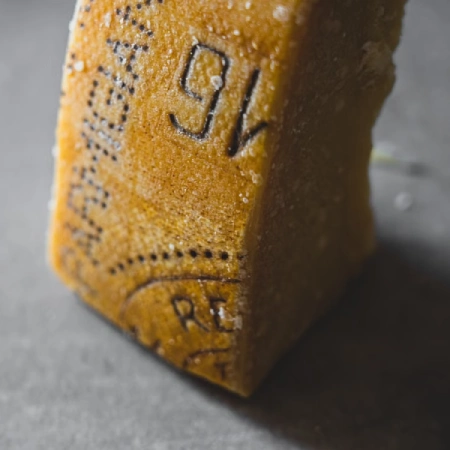
Parmigiano Reggiano
Known for: Parmigiano Reggiano PDO can only be made in a small zone around Parma, Reggio Emilia, Modena and parts of Bologna and Mantua, from raw milk, no additives, aged at least 12 months. Every wheel is pin-dotted and fire-branded with its name — a guarantee stretching back some eight centuries.
Protected: PDO
The fake: generic ‘parmesan’ made anywhere
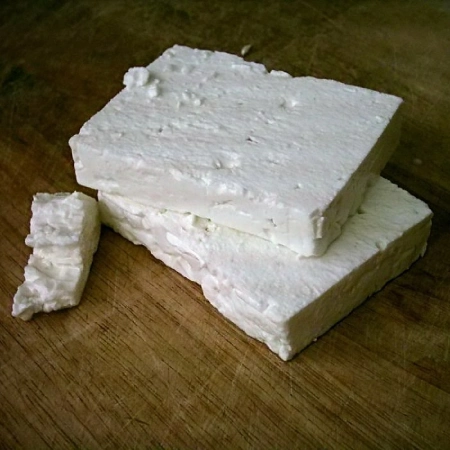
Feta

Known for: Feta has been protected since 2002, and Europe's top court reaffirmed that only Greece may call its cheese feta. Real feta is made from sheep's milk (with up to 30% goat), set and matured in brine in defined regions of mainland Greece and Lesbos.
Protected: PDO
The fake: cow's-milk ‘salad cheese’
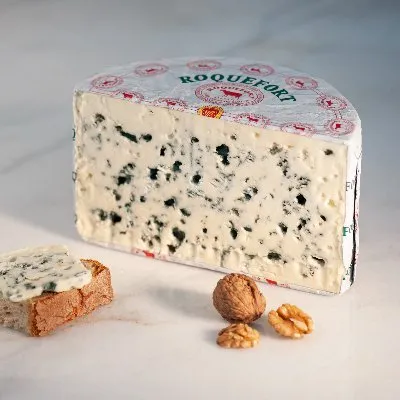
Roquefort
Known for: Roquefort has been protected since 1411, when Charles VI granted the village its monopoly. It is made from raw sheep's milk and ripened in the natural Combalou caves at Roquefort-sur-Soulzon, where the Penicillium roqueforti mould does its work.
Protected: PDO
The fake: generic cow's-milk ‘blue cheese’
Manchego
Known for: Manchego must come from the milk of Manchega sheep raised on the La Mancha plateau, pressed in moulds that leave the classic zigzag rind and aged at least 60 days. Every real wheel carries a numbered casein label.
Protected: PDO
The fake: ‘manchego-style’ cow's-milk cheese
Comté
Known for: Comté is made in the Jura massif from raw Montbéliarde milk, in village cooperatives called fruitières, and aged from 4 to over 24 months. Each wheel is graded and gets a green or brown band depending on the score.
Protected: PDO
The fake: generic ‘Swiss-style’ cheese
Hams & Charcuterie
Prosciutto di Parma
Known for: Prosciutto di Parma uses only sea salt and Parma's hillside air, cured for at least 14 months from pigs born and raised in northern Italy. Only hams that pass inspection get the five-pointed Ducal Crown branded on the rind.
Protected: PDO
The fake: generic ‘parma-style’ ham, no crown

Jamón Ibérico
Known for: Jamón Ibérico comes from black Iberian pigs raised in western Spain and cured for two to four years. The top grade, bellota, means the pigs finished on acorns in the dehesa oak pastures. Colour-coded tags show breed purity and diet.
Protected: PDO (Jabugo, Guijuelo, Los Pedroches, Extremadura)
The fake: ordinary white-pig ‘serrano’ ham
Wines & Spirits
Champagne
Known for: Champagne can only come from the Champagne region of France, from set grape varieties, with the second fermentation in the bottle. The name has been defended in court for over a century.
Protected: PDO
The fake: any other fizz sold as ‘champagne’
Port
Known for: Port is fortified wine from the Douro Valley, the world's oldest demarcated wine region, set in 1756. Grapes from the steep schist terraces are fortified with grape spirit and aged in Vila Nova de Gaia. Every bottle carries a numbered seal.
Protected: PDO
The fake: ‘port-style’ fortified wine
Cognac
Known for: Cognac is grape brandy from the Charente region, double-distilled in copper pot stills and aged at least two years in French oak. Age grades like VS, VSOP and XO are legally defined, and the six crus are mapped down to the parish.
Protected: PDO
The fake: generic ‘brandy’ or ‘cognac-style’ spirit
Scotch Whisky
Known for: Scotch must be distilled and matured in Scotland for at least three years in oak, from water and malted barley, and bottled at 40% or more. It is the UK's biggest food and drink export and protected as a GI in over 100 countries.
Protected: GI (UK, also protected in the EU)
The fake: ‘Scotch-style’ whisky made elsewhere

Tokaji

Known for: Tokaji comes from the Tokaj region of north-east Hungary, the world's first classified wine region, mapped in 1737. Tokaji Aszú is made from grapes shrivelled by noble rot, picked berry by berry, and Louis XIV called it the wine of kings, king of wines.
Protected: PDO
The fake: generic ‘tokay’ sweet wine made elsewhere
Other Icons

Balsamic Vinegar of Modena
Known for: Balsamic Vinegar of Modena is made from cooked grape must and wine vinegar, aged in wood in Modena or Reggio Emilia. The Tradizionale version is a separate PDO, aged at least 12 years and sold only in a sealed 100 ml bulb bottle.
Protected: PGI (Tradizionale is PDO)
The fake: caramel-laced ‘balsamic-style’ dressing
Kalamata Olives
Known for: Kalamata olives are the almond-shaped purple olives grown in Messenia around the town of Kalamata, hand-picked ripe and cured in brine and red wine vinegar. The PDO covers the region, not just the olive variety.
Protected: PDO
The fake: ‘kalamata-style’ olives grown elsewhere
Lübecker Marzipan

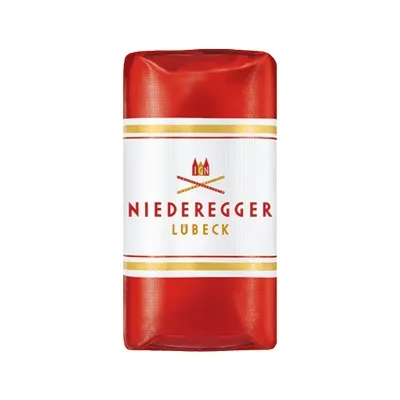
Known for: Lübecker Marzipan is made in Lübeck with at least 70% almond paste, far above the usual 50%, and very little added sugar. Niederegger has been making it in the city since 1806.
Protected: PGI
The fake: cheap sugary marzipan from anywhere