Vote: European chocolate brands. Who's behind them, and are they worth buying?
 Euronomy Team
Not all European chocolate is still European. Marabou, Milka, Daim, Toblerone and Cadbury are all owned by Mondelez, a US conglomerate. The brands on this list are either genuinely European-owned or flagged where that's not the case.
Craft and premium makers
Valrhona (France) and Amedei (Italy) are favourites of chefs and dark chocolate fans. Belgium brings Neuhaus, Pierre Marcolini and Leonidas, all known for pralines and gift boxes. Charbonnel et Walker is the British old-school gift house. Lindt & Sprüngli (Switzerland) and Venchi (Italy) sit between craft and everyday.
Everyday favourites
Fazer (Finland), Toms (Denmark), Stollwerck and Ritter Sport (Germany) are the bars many Europeans grew up with. Ferrero (Italy), Nestlé (Switzerland) and August Storck (Germany) are the large groups behind many familiar sweets. Tony's Chocolonely (Netherlands) is the challenger built around fairer cocoa.
Cocoa sourcing and ethics
Cocoa sourcing matters too. Child labour in West African cocoa farming is an industry-wide problem, and brands vary widely in how seriously they address it. After Russia's invasion of Ukraine in 2022, several major brands exited the market. Nestlé, Ferrero, Ritter Sport and August Storck did not. Storck actually grew its Russian exports by over 50%.
How to choose a chocolate brand
For dark chocolate and baking, look at Valrhona and Amedei. For gifts, pick the Belgian houses. For daily snacking, pick Fazer, Toms or Ritter Sport. If ethics come first, read each card for ownership and sourcing.
Chocolate brands worth knowing
Below are sixteen of the most widely available chocolate brands, with ownership and ethics in the picture alongside quality.

Tony’s Chocolonely
Known for: A mission-driven Dutch chocolate brand dedicated to making 100% slave-free chocolate the industry norm. Notable for its bold, chunky bars.
Employees: Around 400 worldwide.
Farming & Ethics: Industry leader, with fully traceable, direct-trade cocoa. Mission-built to end modern slavery. B Corp certified.
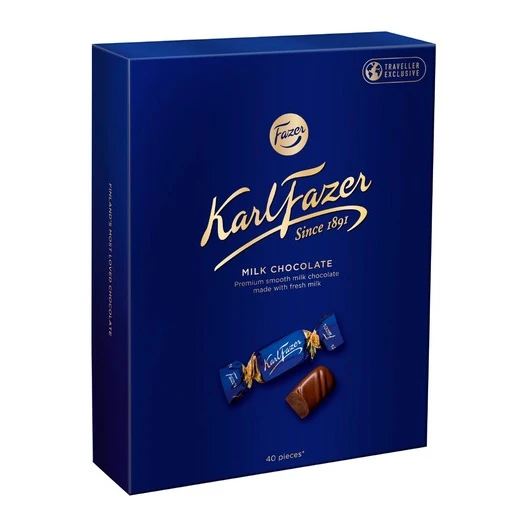
Fazer
Known for: One of Finland's most iconic brands, Fazer is renowned for its smooth milk chocolate, especially Fazer Blue. The company combines Nordic craftsmanship with a modern sustainability agenda, focusing on plant-based innovations and traceable sourcing.
Employees: Approximately 6,000 globally.
Farming & Ethics: 100% certified sustainable cocoa (Rainforest Alliance and UTZ). Strong traceability.
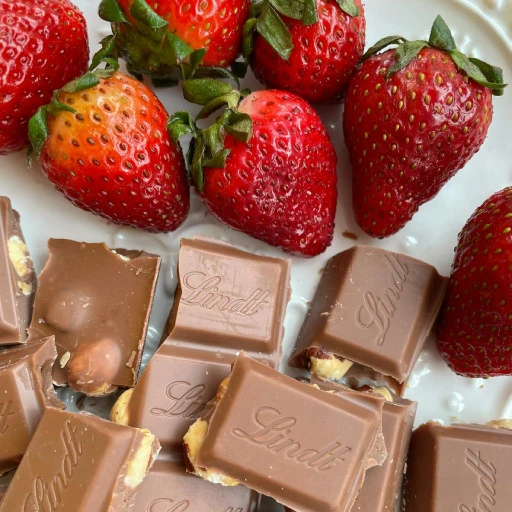
Lindt & Sprüngli
Known for: Premium chocolates, renowned for smooth texture and rich flavours, and widely praised for quality and its own farming program.
Employees: Approximately 14,000 globally.
Farming & Ethics: Own Farming Program in Ghana, Ecuador and Madagascar. Criticised for slow progress on child labour.
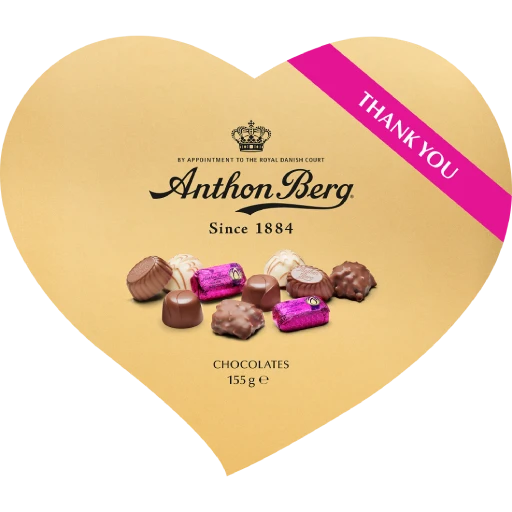
Toms
Known for: A historic Danish confectionery company behind beloved brands like Anthon Berg and Galle & Jessen. Known for high-quality marzipan, chocolate and liquorice, with a strong presence in Scandinavia and Northern Europe.
Employees: Approximately 1,200 to 1,700 depending on season.
Farming & Ethics: Certified sustainable cocoa. Member of a Danish ethical trade initiative.
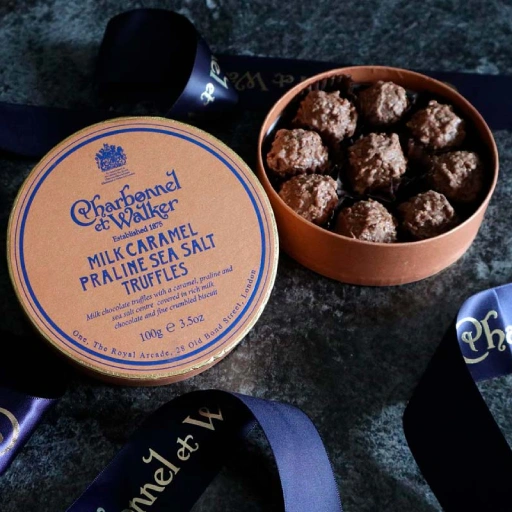
Charbonnel et Walker
Known for: Iconic British luxury chocolatier, famous for its Marc de Champagne truffles and Royal Warrant status.
Employees: Small, boutique-scale operation.
Farming & Ethics: Sources cocoa through the Cocoa Horizons Foundation, promoting better farmer incomes, women's empowerment and child education. The foundation is audited for transparency, though the brand does not publish its own ethical sourcing reports.
Neuhaus
Known for: Belgian luxury chocolatier, inventor of the original filled Belgian praline (1912) and the ballotin gift box; known for pralines, truffles and gift collections, all still made near Brussels, and holder of a Belgian Royal Warrant.
Employees: Roughly 400 to 500 globally (estimates vary).
Farming & Ethics: Certified sustainable cocoa. Limited public reporting.

Pierre Marcolini
Known for: High-end Belgian bean-to-bar chocolatier founded in Brussels in 1995 by master chocolatier Pierre Marcolini, a World Pastry Champion; known for single-origin pralines, ganaches, macarons and luxury gift boxes, roasting its own cocoa beans.
Employees: Roughly 200 globally (estimates vary).
Farming & Ethics: Bean-to-bar: sources and roasts its own beans directly from single-origin farms. High traceability.

Leonidas
Known for: Belgian chocolatier founded in 1913 by Greek-born confectioner Leonidas Kestekides; known for affordable fresh pralines and ballotin gift boxes made with 100% pure cocoa butter, with over 1,000 outlets in around 40 countries, positioned as accessible everyday Belgian chocolate.
Employees: Roughly 300 to 350 globally.
Farming & Ethics: Certified sustainable cocoa, 100% pure cocoa butter. Limited sustainability reporting.
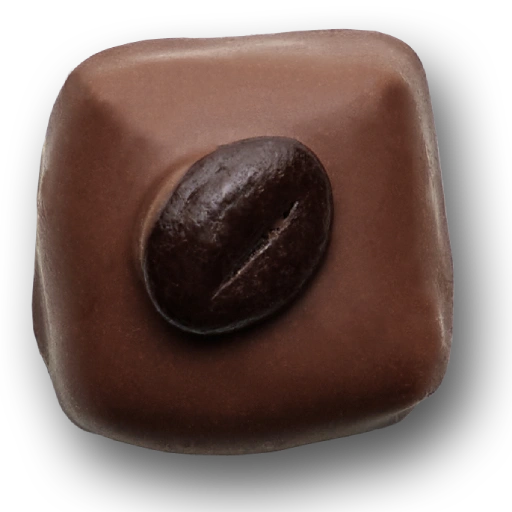
Stollwerck

Known for: A heritage German chocolate maker, now part of the Belgian Sweet Products Group, known for private-label production and classic European chocolate bars.
Employees: Around 1,500.
Farming & Ethics: Committed to certified sustainable cocoa through programs like UTZ and Rainforest Alliance. Less publicly vocal than peers about its anti-slavery initiatives.
Valrhona
Known for: French premium chocolate maker founded in 1922 in Tain-l'Hermitage; known for high-end couverture, single-origin and grand cru bars aimed mainly at pastry chefs and professionals, plus the Valrhona École training school. B Corp certified and owned by Savencia.
Employees: Roughly 500 to 700 globally.
Farming & Ethics: B Corp certified. Direct long-term partnerships with cooperatives. A sector leader on ethics.
Venchi
Known for: Italian chocolate and gelato maker founded in 1878 by Silviano Venchi in Turin; known for its century-old Nougatine (caramelised Piedmont hazelnuts in dark chocolate), Chocoviar pearls, gianduja and a global network of Chocogelateria boutiques.
Employees: Roughly 1,500 globally.
Farming & Ethics: Sustainability commitments but limited public reporting.
Amedei
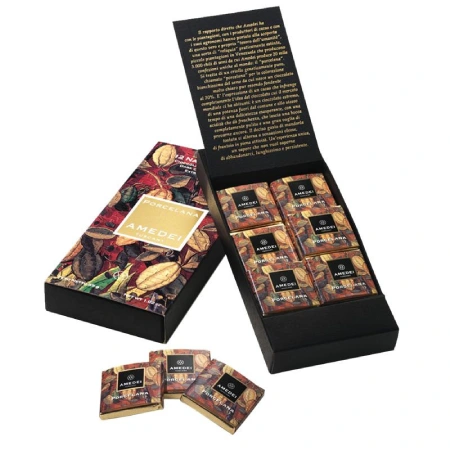
Known for: Premium Tuscan bean-to-bar chocolatier founded in 1990 in Pontedera by Cecilia Tessieri, one of the first female maître chocolatiers; known for award-winning single-origin dark bars, including Porcelana, often called the world's most expensive chocolate. Owned by the Ferrarelle Group since 2017.
Employees: Very small, around 30 to 50.
Farming & Ethics: Tiny bean-to-bar producer. Direct single-origin sourcing gives strong traceability.
Nestlé
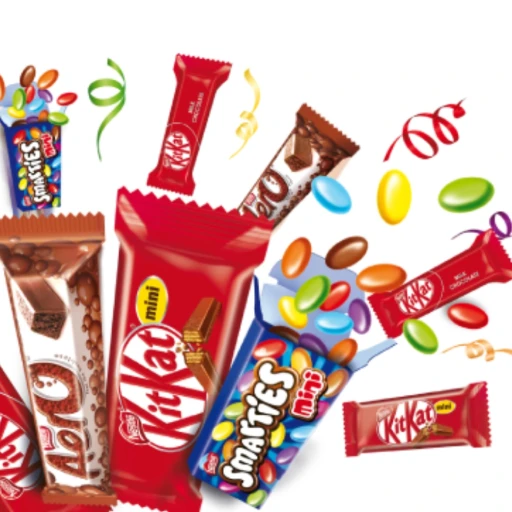
Known for: Brands like KitKat, Smarties and Quality Street. Recognised for a vast product range, and criticised over continued Russian operations.
Employees: Approximately 273,000 globally.
Farming & Ethics: Long-running child labour controversies in West Africa. Stayed in Russia after the 2022 invasion, triggering a major boycott.
Ferrero
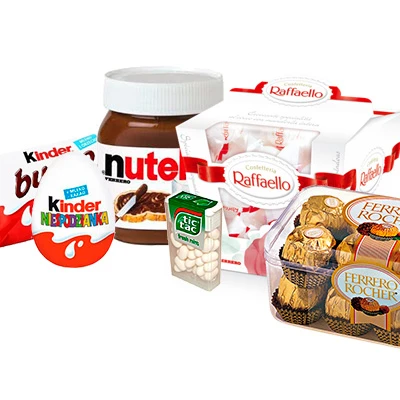
Known for: Beloved for its Nutella spread, Ferrero Rocher chocolates and Kinder range.
Employees: Approximately 47,000 globally.
Farming & Ethics: UTZ and Rainforest Alliance certified cocoa. Hazelnut supply chain in Turkey flagged for child labour concerns. Continued operations in Russia after the 2022 invasion.
Ritter Sport
Known for: Distinctive square 100g chocolate bars available in a wide array of flavours.
Employees: Approximately 1,000 worldwide.
Farming & Ethics: Runs its own cocoa plantation in Nicaragua, giving high traceability. However, it continued sales in Russia after 2022, with revenue increasing.
August Storck
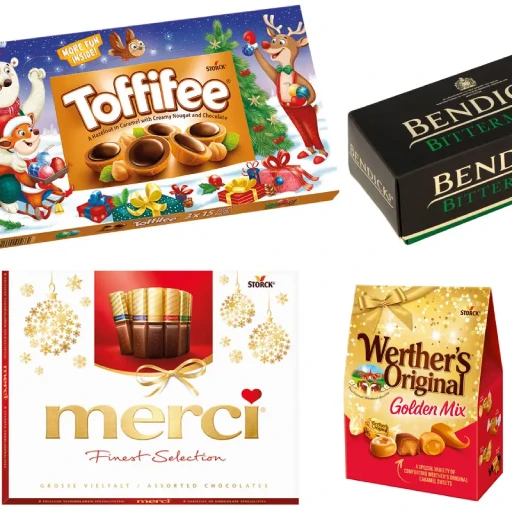
Known for: Maker of popular sweets like Werther's Original caramels, Toffifee, Merci chocolate and Knoppers wafers.
Employees: Approximately 6,100 globally.
Farming & Ethics: Very limited sustainability disclosure. Not only stayed in Russia after 2022 but increased exports there by 51%.