European cookware built to last
Most cookware sold today is imported aluminium, made in Asia and replaced every few years. Europe still makes pans the other way: cast, forged, hammered and enameled in the same towns for generations, built to be handed down rather than thrown out.
Every card below says where the pans are actually made. And on health: PTFE non-stick is safe at normal cooking heat, and the EU banned PFOA in 2020, but most of these brands need no coating at all. Cast iron, carbon steel, stainless and enamel have nothing to scratch off or overheat.

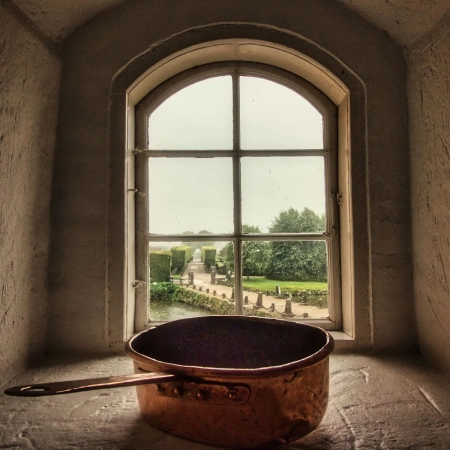
Mauviel 1830
Known for: Copper cookware lined with stainless steel. The pots in three-star Michelin kitchens, made by the same family for seven generations. For serious cooks and pastry work: copper responds to heat instantly. Aspirational rather than a daily driver.
Manufactured in: One factory in Villedieu-les-Poêles, Normandy, by around 70 artisans.
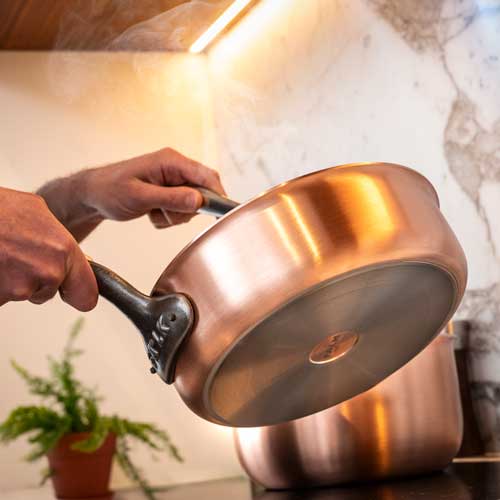
Falk Culinair
Known for: Copper bonded directly to stainless steel, a process Falk invented and the industry adopted. Mauviel's quieter Belgian rival, brushed rather than polished and usually less money. For cooks who want copper to use, not to display.
Manufactured in: Wespelaar, Belgium, all handcrafted.
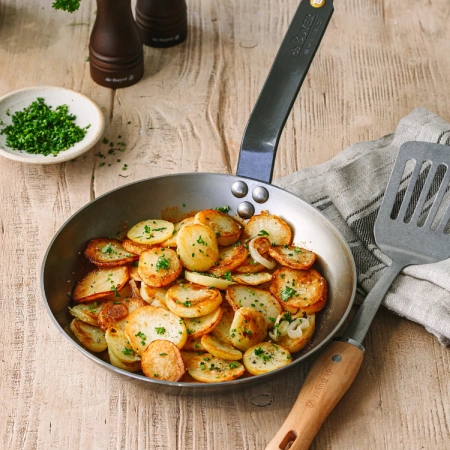
de Buyer
Known for: Mineral B carbon steel pans, standard issue in French culinary schools. Season one once and nothing sticks for decades. The best value on this list, and the pan French home cooks actually use daily.
Manufactured in: The historic Faymont factory in Le Val-d'Ajol, France.
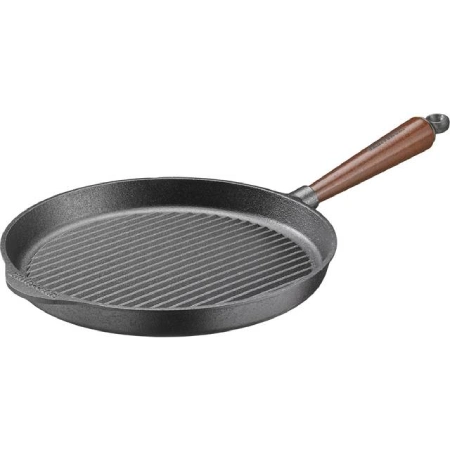
Skeppshult
Known for: Cast iron poured from Swedish iron, each piece signed by its caster and pre-seasoned with organic canola oil. Bare cast iron without the enamel, at a more reasonable price than the French alternatives. The purist's pick, with a 25-year guarantee.
Manufactured in: Everything at the family foundry in Skeppshult, Småland, Sweden.
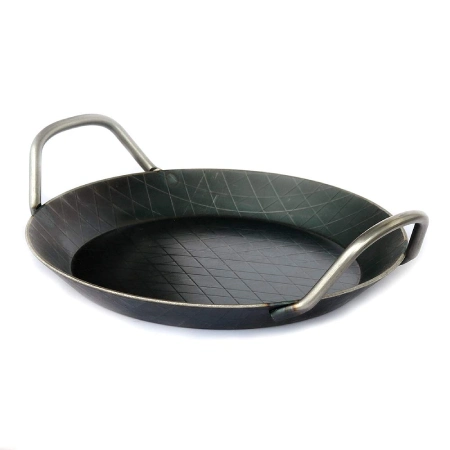
Turk
Known for: Forged iron pans, the hand-forged ones still shaped one at a time on machines from 1857. A single piece of iron with nothing to wear out, with a devoted following in German professional kitchens. Rougher and heavier than de Buyer, and the wrought-iron pans are the cheapest entry on this list.
Manufactured in: Westphalia, Germany, the entire range.
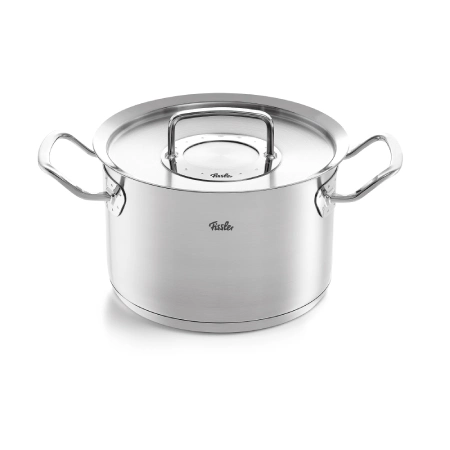
Fissler
Known for: Original-Profi Collection stainless and the Vitaquick pressure cookers, a German household standard. Still family-owned. The workhorse for cooks who want German steel without the premium badge.
Manufactured in: Germany, at the Neubrücke plant near Idar-Oberstein, with up to 90 percent recycled steel.
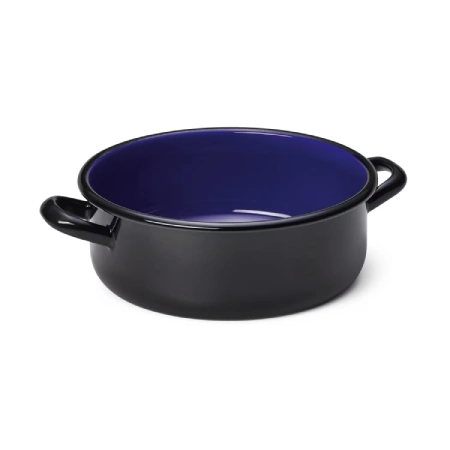
Riess
Known for: Enameled steel cookware, made by nine generations of one family. Glass fused to steel, so there is no coating to scratch off, and far lighter than cast iron. The health-conscious pick.
Manufactured in: Ybbsitz, Austria, powered by the company's own four hydroelectric plants.
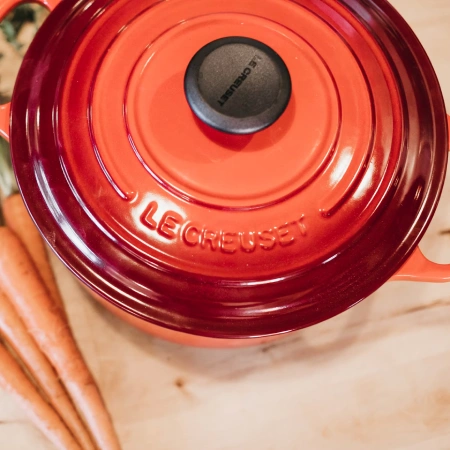
Le Creuset
Known for: The reference enameled cast iron: Dutch ovens, skillets and braisers, guaranteed for life. The orange Volcanique colour is a kitchen design signature. For anyone buying one pot for life and handing it down.
Manufactured in: All cast iron in Fresnoy-le-Grand, France. Stoneware and kettles in Thailand, stainless steel in Portugal, accessories in China.
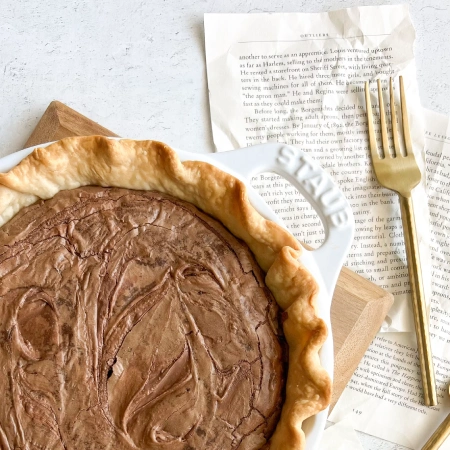
Staub
Known for: Enameled cast iron with self-basting spikes on the lid. Favoured by Paul Bocuse and many French Michelin chefs. The chef's choice between the two French cast iron giants: heavier than Le Creuset, better at slow braising, and the dark interior hides staining.
Manufactured in: Cast iron at the Merville foundry, northern France. Ceramics and accessories in China.
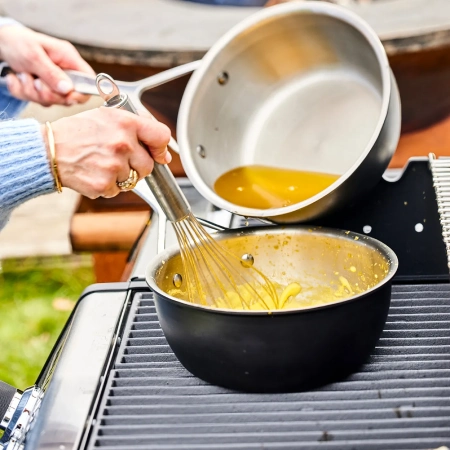
Demeyere
Known for: Seven-ply stainless steel (Atlantis, Proline) built for induction. The best stainless cookware in Europe: even heat across the entire base, no hot spots, no warping. The pan that converts cast-iron loyalists.
Manufactured in: Premium lines in Herentals, near Antwerp. The entry-level Resto line in Indonesia.
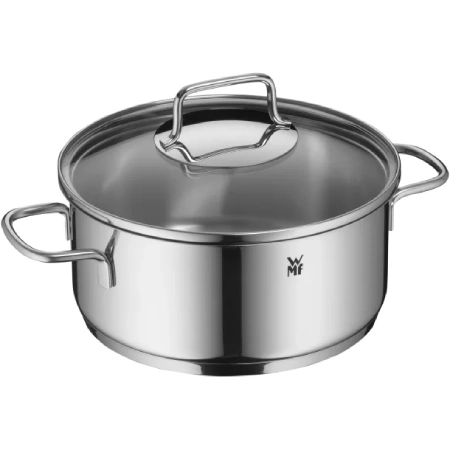
WMF
Known for: Cookware, cutlery and tableware; the wedding-gift brand for generations of Germans. The uncoated Fusiontec glass-ceramic pots are the flagship. For the first proper kitchen: far better made than supermarket brands, less premium than Demeyere or Fissler.
Manufactured in: Fusiontec cookware and pressure cookers in Riedlingen, Germany; knives in Hayingen. Table cutlery partly in China.
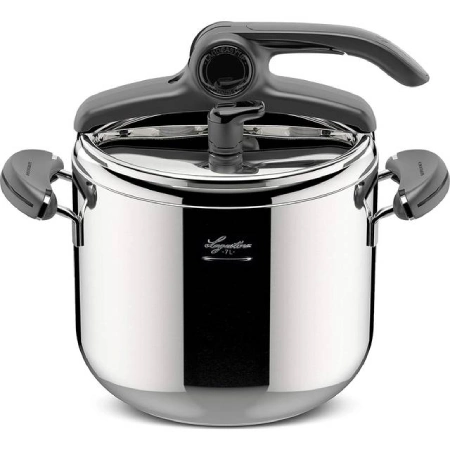
Lagostina
Known for: Accademia Lagofusion stainless with a 25-year guarantee and the La Classica pressure cooker. The brand Italian grandmothers reach for, and the affordable route to serious stainless with Italian looks included.
Manufactured in: Pressure cookers and stainless cookware in Omegna, Italy. Some entry lines elsewhere in the Groupe SEB network.
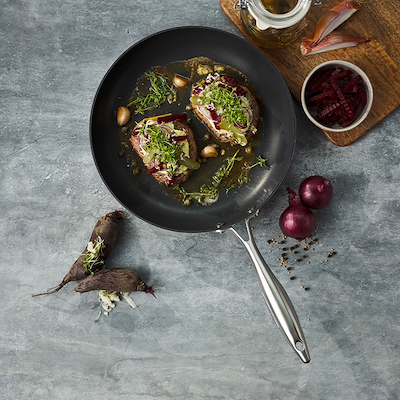
Scanpan
Known for: Squeeze-cast non-stick pans with the Stratanium coating; brought the first PFOA-free non-stick to market. For people who want non-stick anyway: better a Danish-made pan with the PFOA-free record than an anonymous import.
Manufactured in: Non-stick lines at the company's own factory in Ryomgård, Denmark. Some stainless pieces in China.
You might also like
Best Weber Grill Alternatives 2026 – European & Canadian BBQ Brands
Grills that match or beat Weber, from sleek European makers to trusted overseas brands.
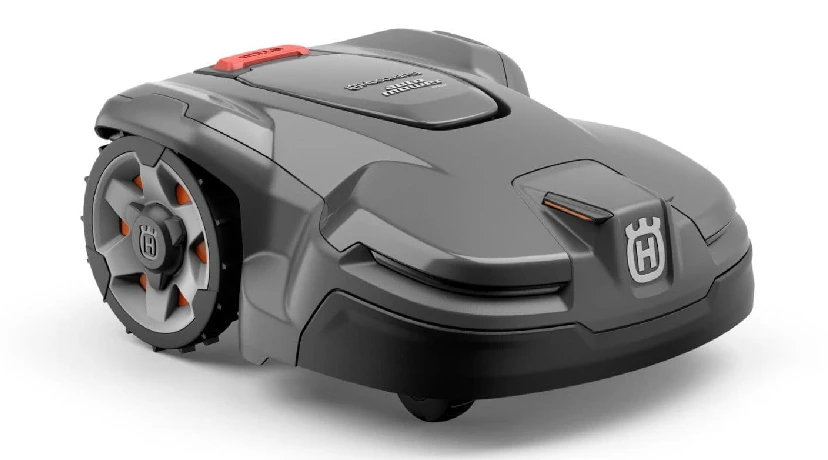
Shaping the European Tool Market
The manufacturers behind Europe's drills, saws and robotic lawnmowers, from Bosch and Festool to Husqvarna.

European electric toothbrushes
Electric toothbrushes designed or owned in Europe: Philips Sonicare, Curaprox, Y-Brush and SURI. Real alternatives to Oral-B.
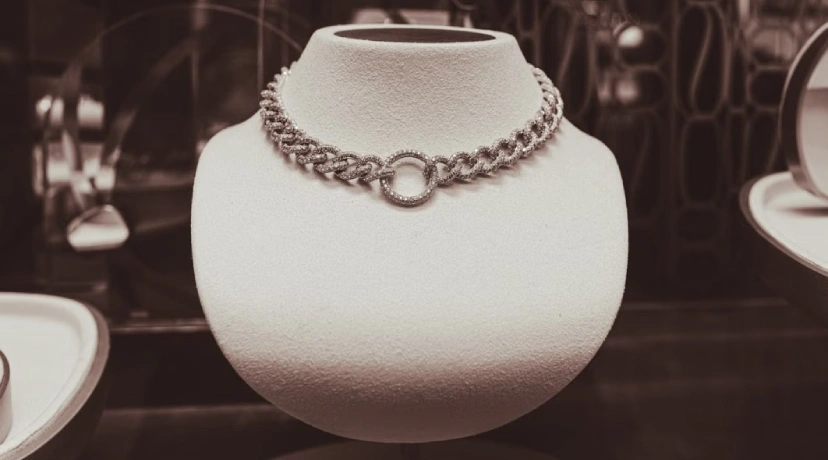
European jewellery brands
Europe owns essentially the entire global luxury jewellery market. Ten brands worth wearing, plus the holding groups behind them.