European product labels, decoded
The average shopping trolley is covered in logos: flowers, leaves, letters and swans, and most of us have no idea which ones certify something real and which are just marketing.
Here are the European product labels actually worth looking for: what each one certifies, and who stands behind it. Official EU schemes and trusted independent ones, decoded.
EU Ecolabel
Seen on: cleaning products, cosmetics, paints, even tourist accommodation
What it means: the EU’s official environmental label, meeting strict criteria across a product’s whole life cycle. Run by the European Commission since 1992.
EU Energy Label
Seen on: fridges, washing machines, TVs and light bulbs
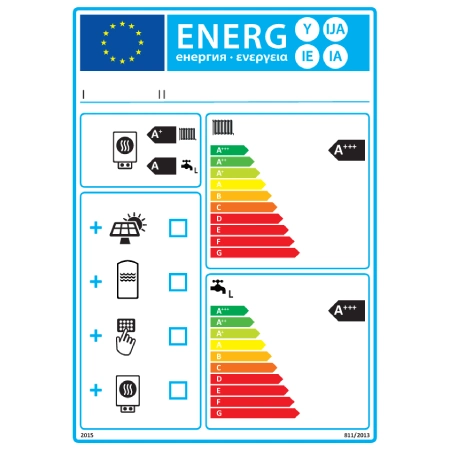
What it means: ranks energy efficiency from A (dark green) to G (red) so you can spot the cheapest to run at a glance. EU-wide and mandatory.
EU Organic (Euro-leaf)
Seen on: food and drink
What it means: the leaf-and-stars ‘Euro-leaf’ certifies at least 95% organic ingredients under EU rules, and is compulsory on pre-packed EU organic food. EU organic logo
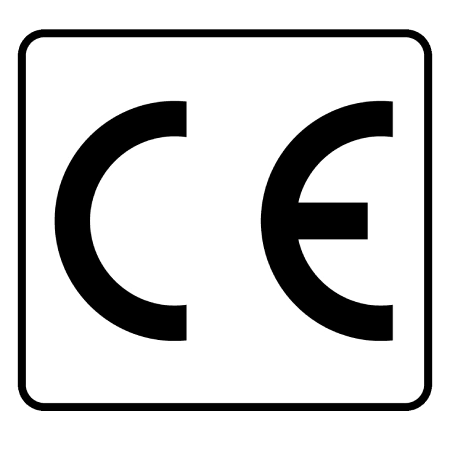
CE marking
Seen on: electronics, toys, machinery and protective gear
What it means: the maker declares the product meets EU health, safety and environmental rules — required to sell it in Europe. A compliance mark, not a quality or eco rating.
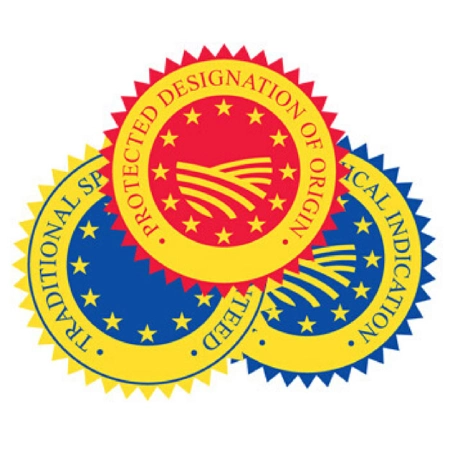
Geographical indications (PDO / PGI / TSG)
Seen on: regional foods, wines and spirits — Parmigiano Reggiano, Champagne, Feta
What it means: protects a name tied to a place or tradition: PDO (made entirely in the region), PGI (at least one stage there) or TSG (a traditional recipe). PDO / PGI / TSG
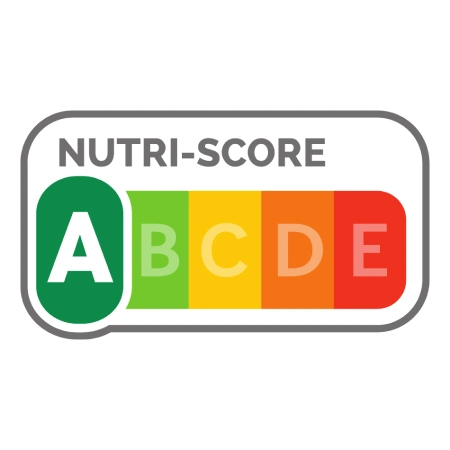
Nutri-Score
Seen on: food packaging in France, Germany, Belgium, the Netherlands and Spain
What it means: a front-of-pack A–E, green-to-orange rating of overall nutritional quality. Voluntary, and adopted country by country. Nutri-Score
Blue Angel (Der Blaue Engel)
Seen on: paper, cleaning products, electronics and other low-impact goods
What it means: Germany’s state ecolabel and the world’s first, launched in 1978 — a strict environmental standard now carried by thousands of products. Der Blaue Engel
Nordic Swan Ecolabel
Seen on: everyday goods across the Nordics, from detergents to hotels
What it means: the official ecolabel of Denmark, Finland, Iceland, Norway and Sweden since 1989, and among the world’s toughest environmental certifications. Nordic Swan Ecolabel
Green Dot (Der Grüne Punkt)
Seen on: packaging across much of Europe
What it means: the producer has paid into a packaging-recovery scheme. Worth knowing: it signals financing of recycling systems, not that the packaging itself is recyclable. Der Grüne Punkt
V-Label
Seen on: food, drink and cosmetics
What it means: Europe’s most recognised vegan and vegetarian seal, run with the European Vegetarian Union — audited categories rather than vague ‘plant-based’ claims. V-Label
OEKO-TEX Standard 100
Seen on: clothing, bed linen, towels and other textiles
What it means: every component tested against more than 1,000 harmful substances. Founded in 1992 by Austrian and German textile institutes. OEKO-TEX Standard 100
FSC (Forest Stewardship Council)
Seen on: wood, paper, furniture and packaging
What it means: the material comes from responsibly managed forests. A non-profit founded in 1993 and headquartered in Bonn, it is the most trusted forestry label in Europe. FSC