European Appliance Manufacturers

Connecting global production with on location freelance talent
Europe still builds some of the world's most durable household appliances. Miele tests its washing machines in Gütersloh to last 20 years, Bosch and Siemens ovens come out of Germany, and Sweden's Electrolux owns the AEG brand.
Why buy European appliances
Buying one made here usually means an EU energy label you can trust, spare parts kept in stock for years, and a local service network when something does break. The brands below are the ones European households rate most highly.
How to choose a European appliance brand
Start with the energy label, since it shows running costs. Then check how long the brand keeps spare parts available. Premium brands such as Miele and Liebherr suit buyers who want long life. Brands like Amica and Arçelik suit tighter budgets.
European appliance brands worth knowing
Below are the European appliance brands we recommend, from premium makers to value options.
BSH Hausgeräte GmbH
Employees: Around 60,000
Known for: Europe's largest home appliance maker, based in Munich, producing washing machines, dishwashers, ovens and refrigerators under the Bosch, Siemens, Neff and Gaggenau names. The group spans everything from mass-market ranges to high-end built-in kitchens.
Electrolux
Employees: Around 51,000
Known for: Swedish appliance group from Stockholm, one of the largest in the world, selling washing machines, refrigerators, dishwashers and vacuum cleaners under its own name plus AEG, Zanussi and Frigidaire. The range covers both home and professional appliances.

Miele
Employees: About 23,300
Known for: German premium brand from Gütersloh, best known for washing machines, dishwashers, ovens and vacuum cleaners engineered to last. The appliances are tested to a notional twenty-year lifespan, which underpins the brand's reputation for durability and its higher price point.
Smeg
Employees: About 4,000
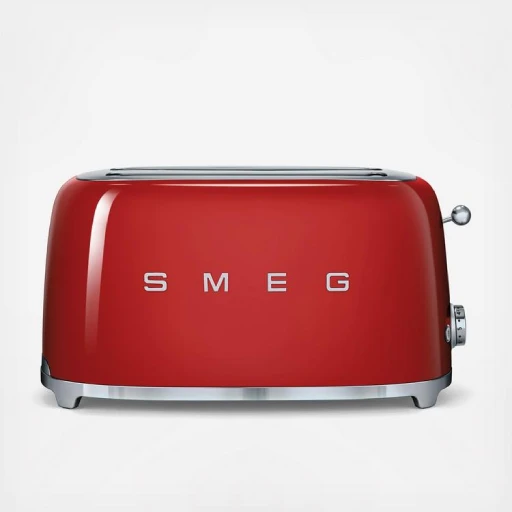
Known for: Italian family-owned brand from Guastalla, famous for colourful, retro-styled refrigerators, ovens and dishwashers that turn mid-century design into a kitchen statement. Behind the striking looks, the appliances are built to perform, and the brand runs regular collaborations with designers and fashion houses.
Vorwerk
Employees: About 9,100
Known for: German family-owned company from Wuppertal, best known for the Thermomix all-in-one kitchen machine and Kobold vacuum cleaners. Vorwerk sells largely through direct demonstrations rather than shops, and the Thermomix in particular has a devoted following at the premium end of the market.
Amica

Employees: About 3,000
Known for: Polish manufacturer from Wronki and one of central Europe's better-known appliance names, making washing machines, dishwashers, ovens and refrigerators at value-focused prices. Amica aims at buyers who want capable European-made appliances without paying premium-brand money.

Liebherr
Employees: Around 55,000
Known for: German-Swiss family-owned engineering group that most consumers encounter as a maker of premium refrigerators and freezers, which it has produced since 1954. Its fridges hold a category-leading reputation among professional kitchens and wine collectors, and they sit alongside a much larger industrial division making cranes and mining equipment.