Most ethical European cosmetics brands, ranked (2026)
L'Occitane and KIKO Milano are the most ethical European cosmetics brands in our ranking. L'Occitane is a certified B Corp and runs on 100% renewable electricity. KIKO scores on refillable packaging and vegan lines. L'Oréal, Beiersdorf, LVMH and Chanel have credible climate plans with dates attached. Yves Rocher, Oriflame and Clarins rank last, because they still sell in Russia.
Europe is home to the biggest names in beauty: L'Oréal and Chanel in France, Beiersdorf (Nivea) in Germany, L'Occitane out of Provence. Under EU cosmetics rules, all of them face tighter limits on ingredients, animal testing and packaging waste than brands elsewhere. But the labels tell only part of the story. This list looks at how the groups actually compare, so you can tell real commitment from green marketing.
How we judged
Five checks, all from public sources. Each card carries our verdict.
- Certification: is the group a certified B Corp?
- Climate: is there a net-zero target with a date, and is progress reported against it?
- Packaging: refillable, recycled or recyclable targets with dates.
- Animal testing: banned for cosmetics in the EU since 2013, so we look at policy for markets outside the EU.
- Russia: does the company still sell there? A yes moves a brand to the bottom, whatever else it does.
Which European cosmetics brands still sell in Russia?
Yves Rocher, Oriflame and Clarins. As of September 2026, trackers such as LeaveRussia still list all three as operating in Russia. Oriflame sold its Russian factory in 2023 but keeps selling there. Yves Rocher is on the list of international sponsors of war kept by Ukraine's anti-corruption agency. That is why the three rank last.
Frequently asked questions
Which European cosmetics brand is the most ethical?
L'Occitane. It is the only group on this list with B Corp certification, awarded in 2023 and due for recertification in 2026, and it runs on 100% renewable electricity. KIKO Milano is the best budget option.
Is L'Oréal an ethical brand?
Mostly yes on climate, with one caveat. L'Oréal reports that 97% of its sites ran on renewable energy by the end of 2024, and Europe reached 100%. Its supply-chain emissions (scope 3) have grown since 2019, so the full picture is mixed.
Do European cosmetics brands test on animals?
Not for cosmetics sold in the EU. The EU banned animal testing of cosmetics and their ingredients in 2013, and banned the sale of animal-tested cosmetics too. Brands selling in some markets outside the EU may have faced local testing rules, so check each brand's policy for those markets.
Is Nivea a European brand?
Yes. Nivea belongs to Beiersdorf, based in Hamburg, Germany, and majority owned by the Herz family holding Maxingvest. Beiersdorf also owns Eucerin and La Prairie, and targets net zero by 2045.
Sources: company sustainability reports, LeaveRussia.org, B Lab directory. Last checked September 2026.


L’Occitane
Known for: Shea Butter creams, Almond oil, Lavender products
Employees: ~8,700
Manufactured in: France and Brazil
Sustainability: Certified B Corp, 100% renewable electricity
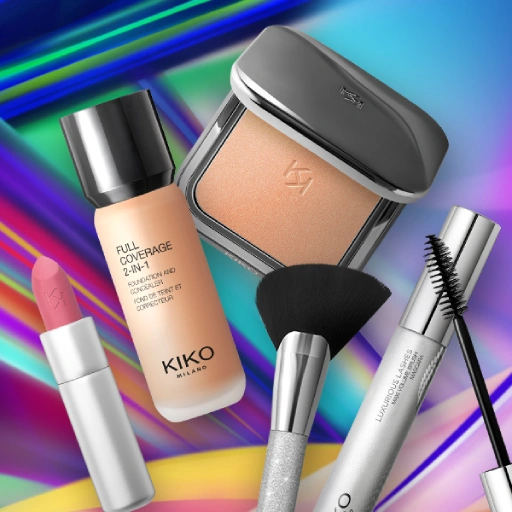
KIKO Milano
Known for: Affordable makeup and skincare
Employees: ~7,500
Manufactured in: Mostly Italy and EU
Sustainability: Refillable packaging, vegan formulas
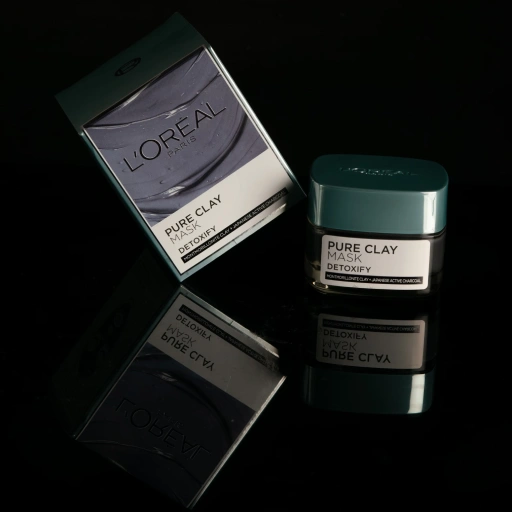
L’Oréal
Known for: brands like L’Oréal Paris, Garnier, Maybelline, Lancôme
Employees: ~90,000
Manufactured in: France and 40+ countries
Sustainability: “L’Oréal for the Future” plan, carbon neutral sites by 2025
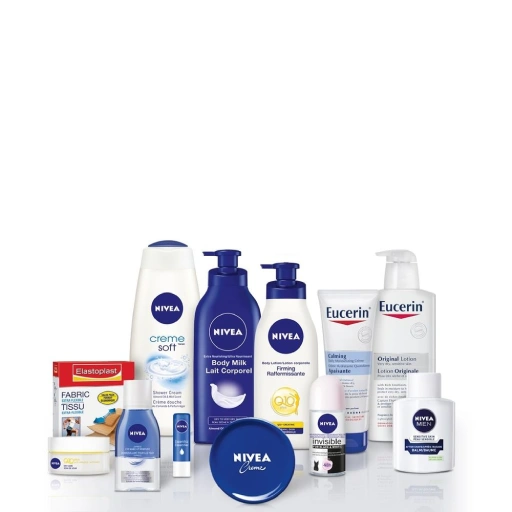
Beiersdorf
Known for: Nivea, Eucerin, La Prairie
Employees: ~22,800
Manufactured in: Germany and 14 sites worldwide
Sustainability: High-efficiency factories, green energy, Care Beyond Skin plan
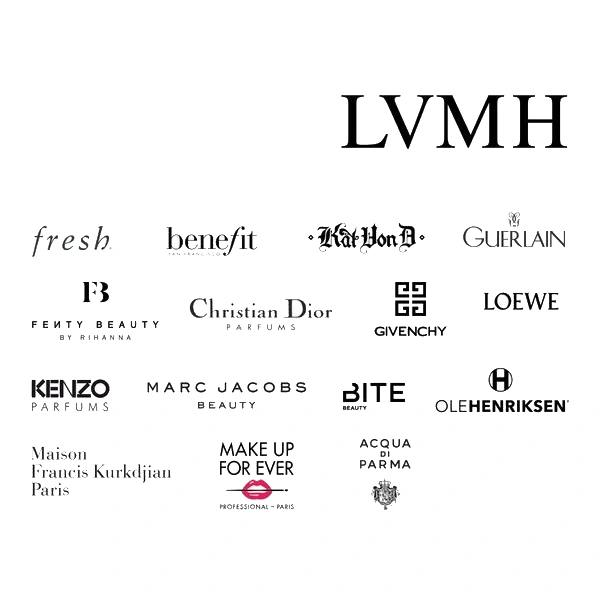
LVMH
Known for: Dior Beauty, Guerlain, Givenchy Beauty
Employees: ~215,000
Manufactured in: Mainly France
Sustainability: LIFE 360 plan, 1.5°C alignment, circular packaging
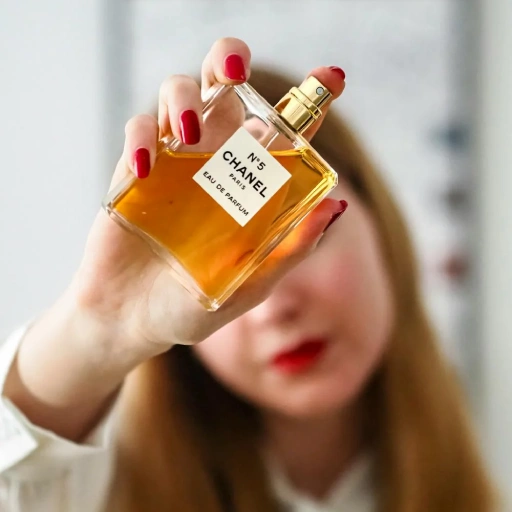
Chanel
Known for: Chanel No. 5, Rouge Coco, Sublimage
Employees: ~32,000
Manufactured in: France
Sustainability: Net-zero by 2040, eco-designed product lines
Henkel
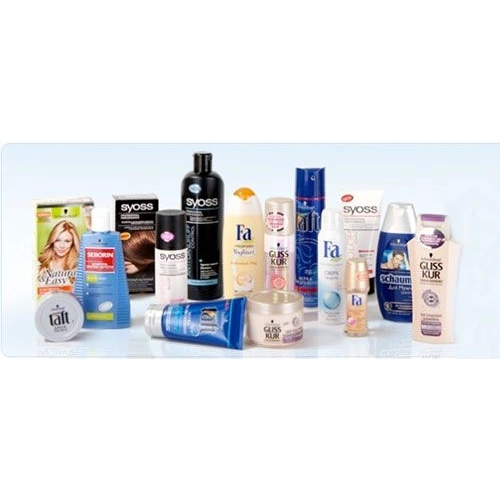
Known for: Schwarzkopf, Fa, Syoss
Employees: ~47,000
Manufactured in: 55 countries
Sustainability: Net-zero by 2040, renewable electricity goals
Unilever
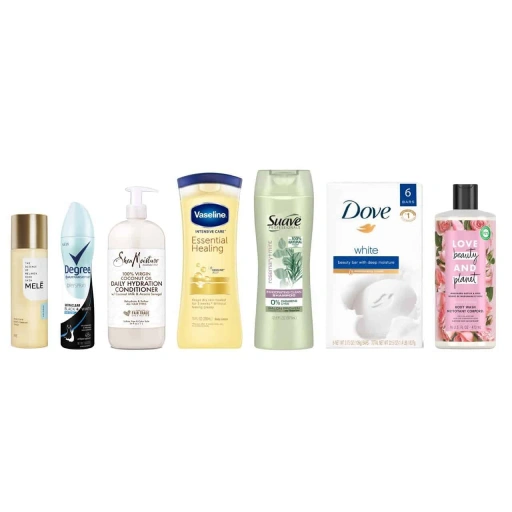
Known for: Dove, Axe, Sunsilk, Pond’s
Employees: ~128,000
Manufactured in: 90+ countries
Sustainability: Net-zero by 2039, renewable energy targets
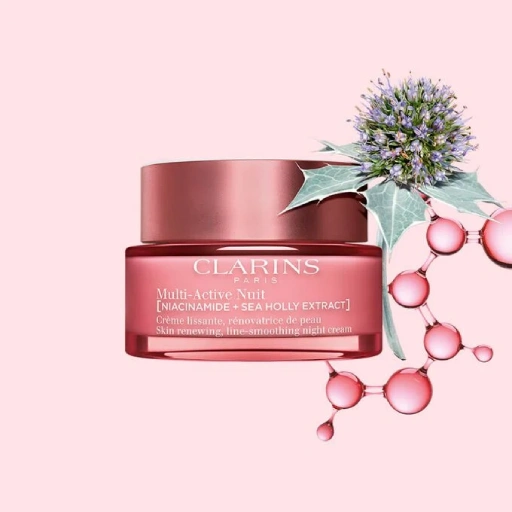
Clarins
Known for: Premium skincare, Double Serum
Employees: ~8,000
Manufactured in: France
Controversies: Presence in Russia - selling online, operations ongoing
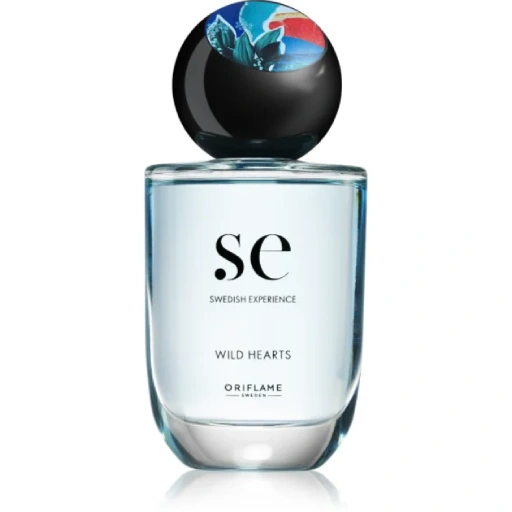
Oriflame
Known for: Direct-sell beauty, wellness, Optimals, Giordani
Employees: ~6,000
Manufactured in: Poland, China, India (sold Russian plant in 2023)
Sustainability: Biodegradable formulas, plastic reduction
Controversies: Still active in Russia, selling online and via third parties
Yves Rocher
Known for: Botanical skincare, body care
Employees: ~13,500
Manufactured in: France
Controversies: Continued full operations in Russia and paid local taxes