Best European alternative to Coca-Cola
Coca-Cola has been the world's default fizzy brown drink since 1886. Almost every country in Europe has at least one homegrown answer to it. Most of them have a cult following wildly out of proportion to the country's size.
Colas with a cult following
The Czechs are fiercely loyal to Kofola, which was created in communist Czechoslovakia as a Coke workaround. The Slovenians treat Cockta the same way, and Poland has its own take in Polo-Cockta. Jolly Cola is the local favourite in Serbia. Fritz-Kola is the hipster pick of every Berlin bar. Sweden has Cuba Cola, and Britain has the craft-brewed Fentimans Curiosity Cola.
Not quite cola
Two picks are not colas at all. Almdudler is an Austrian herbal lemonade, and ordering one instead of a Coke is basically a national identity statement. Chinotto is an Italian bittersweet soda made from a small citrus fruit.
How to choose a Coke alternative
For something close to the classic taste, try Fritz-Kola or Fentimans. For herbal notes, pick Kofola or Cockta. For something bittersweet, pick Chinotto. For something light and alpine, pick Almdudler. Vote for the one you would reach for on a hot afternoon.
Cola alternatives worth knowing
Below are nine drinks from across Europe, each with its own loyal fans.
Cockta
Known for: 11 herbs, rosehip, lemon, orange. No caffeine, no phosphoric acid. Tastes nothing like Coke and that's the entire point. 'The drink of your and our youth' is the slogan. Yugoslav nostalgia in a bottle. The most herbal cola in Europe by a wide margin.
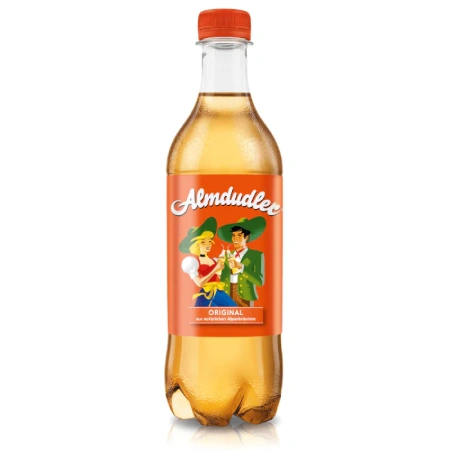
Almdudler
Known for: Austrian herbal lemonade — 32 alpine herbs and grape juice in a fizzy soda. Tastes a bit like an alpine ginger beer but smoother. Austria's national soft drink and a near-mandatory order in any Austrian Heuriger or Almhütte. Pair it with vodka for the Austrian classic 'Vodka-Almdudler'.
Kofola
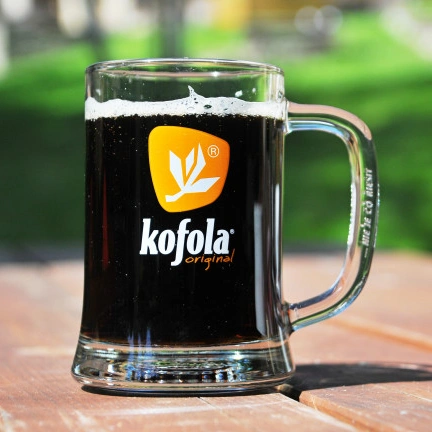
Known for: Czechoslovak cola made from KOFO syrup — 14 herbs and fruits, less sweet than Coke, served on tap in pubs like beer. Invented as a use for surplus caffeine extracted from coffee beans by a state research institute. The communist-era cola that outlived communism.
Fritz-Kola
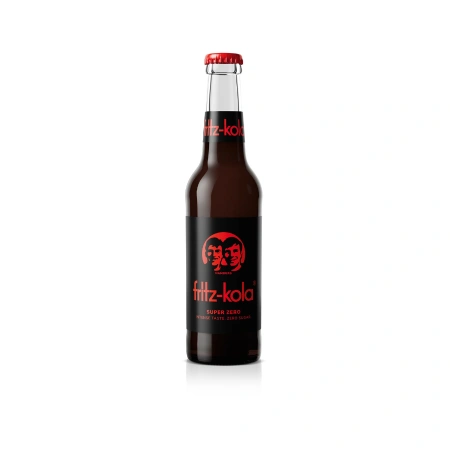
Known for: Premium German cola with extra caffeine (25mg per 100ml — almost double Coke). Real kola nut, less sweet, an extremely recognisable black-and-white label. The German cola of every cool bar in Berlin, Hamburg, and Munich. If you've ordered a 'craft cocktail' in continental Europe in the last decade, you've probably had it.
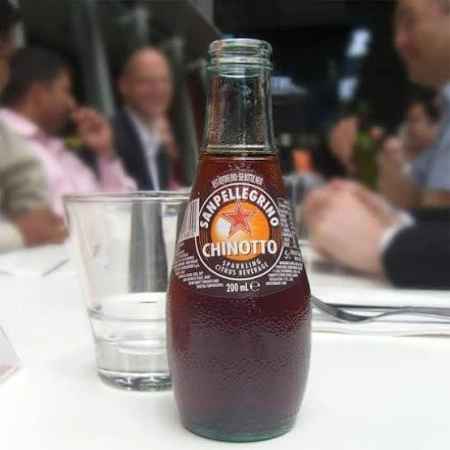
Chinotto
Know for: Dark fizzy soda made from chinotto (bitter myrtle-leaved orange). Tastes vaguely cola-coloured but bitter — like Coke's hipper Italian cousin. The drink Italian grandfathers order to avoid sweet sodas. Once you acquire the taste, you can't go back to Coke. (Try anyway.)
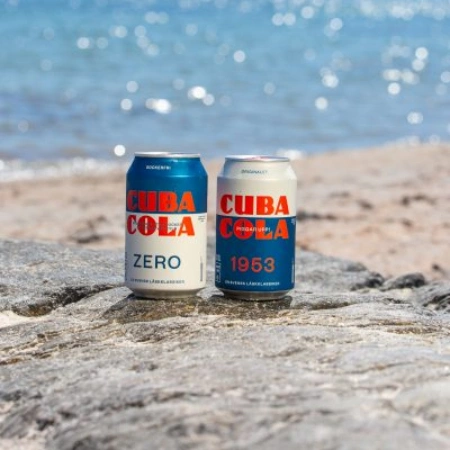
Cuba Cola
Known for: Old-school Swedish cola — sweeter, lighter colour, less aggressive carbonation than American colas. Europe's oldest still-produced cola. The drink Swedish midsummer parties run on alongside snaps. Underrated, distinctively Swedish, criminally rare outside Sweden.
Fentimans Curiosity Cola
Known for: Botanically brewed cola — real ginger root, juniper, herbal extracts, fermented for 7 days. The cola for adults who normally tell you they don't drink cola. Genuinely tastes like a craft drink rather than a fizzy syrup.
Polo-Cockta
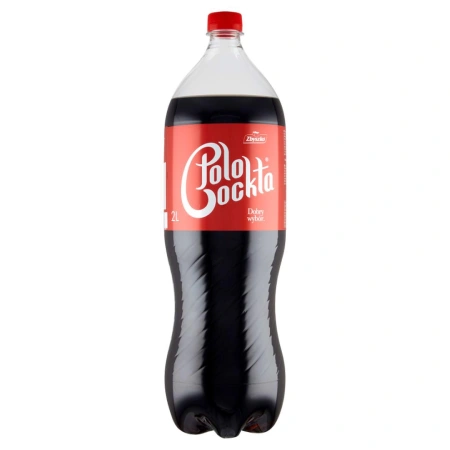
Known for: Polish communist-era cola, re-released in 2002 with the original PRL packaging. Tastes more like Cockta than Coke (lots of herbs, less sugar). The Polish equivalent of finding your dad's old vinyl. Older Poles get genuinely emotional about it. Marketed entirely on remember-when energy.
Jolly Cola
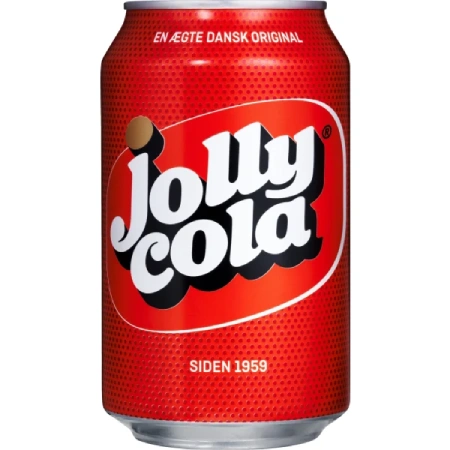
Known for: Denmark's homegrown cola, produced since 1959 by Carlsberg. Less sweet than Coke, with a lighter, slightly citrusy character. Never disappeared from Danish shelves — but since 2025, sales have surged dramatically as Danish consumers switched away from American brands in response to the US-Denmark political tensions over Greenland