What Europe is Drinking
From a terrace in Seville to a bar stool in Prague — Europe has been mixing drinks for centuries. These are the classics worth knowing, one country at a time.
Vote for your favourite.
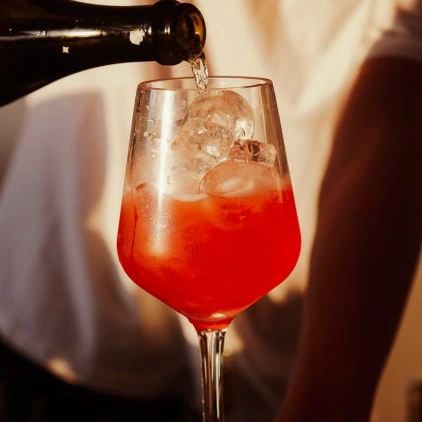
Aperol Spritz
What's in it: 3 parts Prosecco, 2 parts Aperol, 1 part soda, ice, a slice of orange. The official Italian aperitivo of the 2010s and probably the 2030s.
Where it's from: Padua, Veneto, 1919 (Aperol). The Spritz format spread from Venice and now covers the entire planet.
When to drink it: 6pm to 8pm. Anywhere with a wicker chair and a view.
The case: Looks like a sunset, tastes like vacation, costs less than a beer in Milan. Hard to beat.
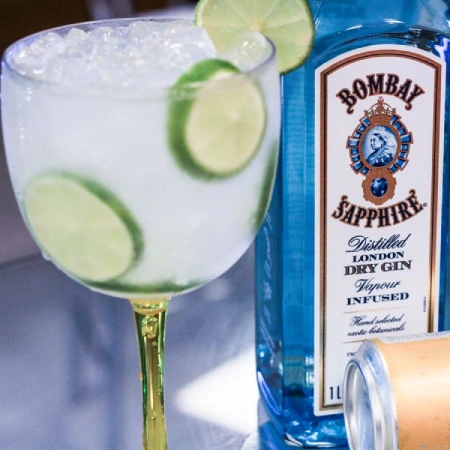
Gin & Tonic
What's in it: Gin, tonic water, ice, a slice of something citrus. The most over-debated cocktail in history despite being two ingredients.
Where it's from: British Empire, India, 1800s. Originally a malaria-prevention vehicle for quinine. The British committed to it.
When to drink it: 5pm to 11pm, any weather, on a terrace, with someone who has Opinions about which gin.
The case: Two ingredients. Zero margin for error. The most British thing you can drink that isn't tea.
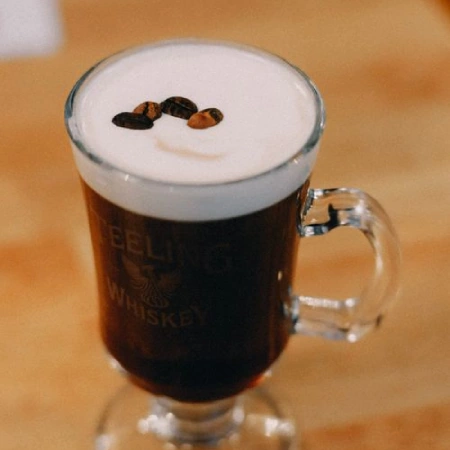
Irish Coffee
What's in it: Hot coffee, Irish whiskey, brown sugar, topped with a layer of lightly whipped cream that floats. Drink the coffee through the cream — never stir.
Where it's from: Shannon Airport restaurant, 1943. Invented by chef Joe Sheridan to warm cold transatlantic passengers. Imported to San Francisco by a journalist in 1952.
When to drink it: After dinner. After a walk in the rain. After anything cold or sad.
The case: Dessert, coffee, and a digestif in one glass. The original espresso martini, but with more emotional depth.
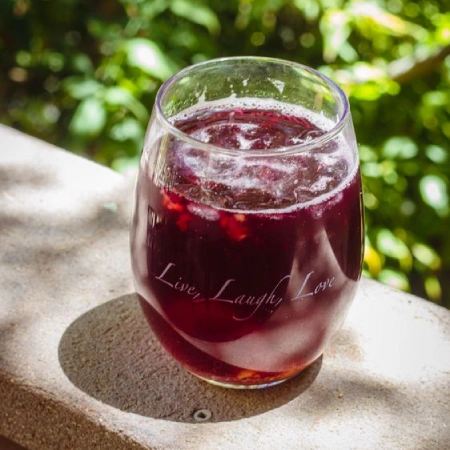
Sangria
What's in it: Red wine, chopped fruit, brandy, sometimes orange juice, sometimes sparkling water, always more than you intended to drink.
Where it's from: Spain and Portugal, centuries-old. Every Spanish family has The Recipe and it is The Correct One.
When to drink it: 3pm onwards, on a terrace, when the temperature is north of 28°C and there's a pitcher to share.
The case: Tourist cliché that's actually genuinely delicious if anyone makes it properly. Also: you can drink it from a glass the size of your head, which feels right.
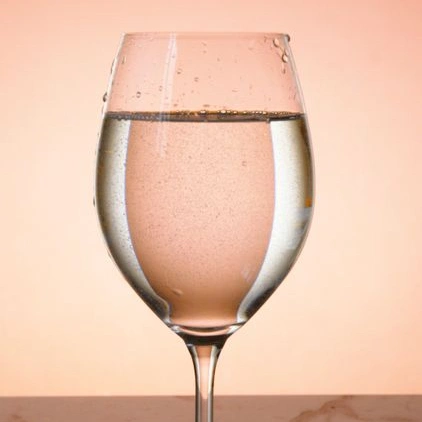
Spritzer (Weißer)
What's in it: Austrian white wine (Grüner Veltliner, Welschriesling) topped 50/50 with sparkling water. That's it.
Where it's from: Austria's Heurigen (wine taverns), where it's served from a quarter-litre jug and treated as a meal accompaniment, not a cocktail.
When to drink it: Lunch onwards, especially at a long wooden Heuriger table with pretzels and Schinken nearby.
The case: The most Austrian way to extend a wine afternoon into a wine evening into a wine night. Zero pretension, infinite charm.
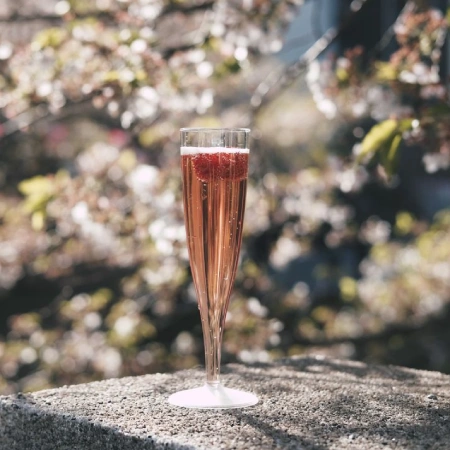
Kir Royale
What's in it: Crème de cassis (blackcurrant liqueur) topped with Champagne. The Kir version uses white wine instead.
Where it's from: Burgundy, France. Named after Félix Kir, mayor of Dijon and WWII Resistance hero, who served it at receptions.
When to drink it: Pre-dinner, ideally on a terrace in Burgundy, ideally with someone who'll tell you the Félix Kir story.
The case: Champagne with extra benefits. Named after a literal hero. Hard to argue with.
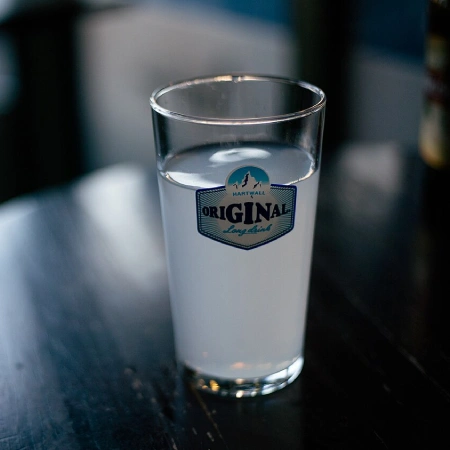
Long Drink (Lonkero)
What's in it: Gin and grapefruit soda, pre-mixed and sold in cans. Originally invented as a fast-service cocktail.
Where it's from: Invented for the 1952 Helsinki Summer Olympics by Alko (the Finnish state alcohol company), so foreign tourists could be served quickly. Still the most popular bottled cocktail in Finland.
When to drink it: All summer. Especially at a Finnish lakeside cabin, ideally with a sauna 50 metres away.
The case: It's a national drink that was originally a logistics solution. That's a uniquely Finnish thing to be proud of.
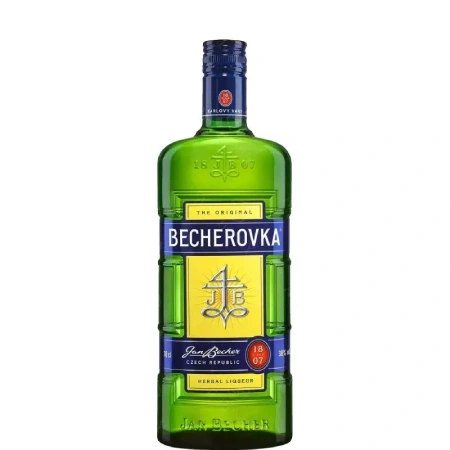
BeTon (Becherovka & Tonic)
What's in it: 50ml Becherovka (Czech herbal liqueur — cinnamon, clove, anise, 20 other things) topped with tonic water and a slice of lemon.
Where it's from: Karlovy Vary, Czechia. The drink is everywhere in Prague bars. The name BeTon translates to 'concrete' in Czech. The Czechs find this funny.
When to drink it: Early evening at a Prague bar with a U-shaped wooden counter and an unimpressed bartender.
The case: Most people have never heard of it and the ones who have don't shut up about it. Possibly the most underrated European cocktail.