CLEAN LAUNDRY, DIRTY OCEAN!
 4
3
4
3
Around 60% of our clothing is polyester, nylon, acrylic or another synthetic, and every wash sheds tiny plastic fibres. A single acrylic load can release hundreds of thousands of them, most too small for wastewater plants to catch, so they wash straight out to sea.
Laundry is now reckoned to send roughly half a million tonnes of microfibres into the ocean each year, around a third of all primary microplastics in the water. A few changes to how you wash cut that sharply. The seven steps below come from Plastic Change's Ocean Clean Wash campaign.

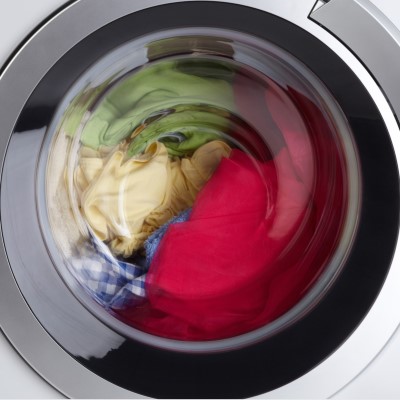
Fill the entire washing machine up
When the machine is filled with clothes, there is less frictional resistance between the pieces of clothing and therefore the clothes do not give off as many fibers.

Use liquid soap instead of washing powder
The small grains in washing powder are harder on the clothes than liquid soap, and therefore fewer fibers are washed out when using liquid soap.
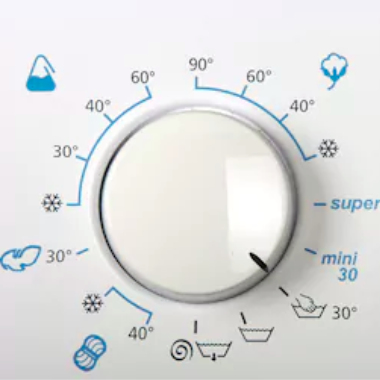
Wash at low temperature
High temperatures can damage the fibers in the clothing, and can help the clothes give off fibers.

Avoid long washes
The longer you wash, the more times your clothes rub against each other, creating friction that tears the fibers apart.
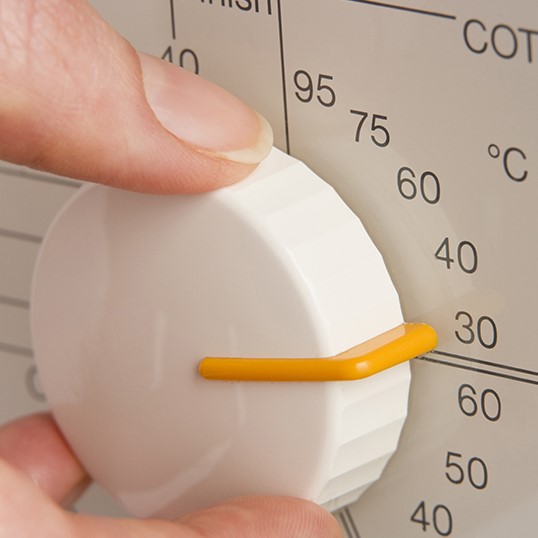
Dry your clothes at low speed in the dryer
High revolutions create friction between the clothing and result in many lost fibers.
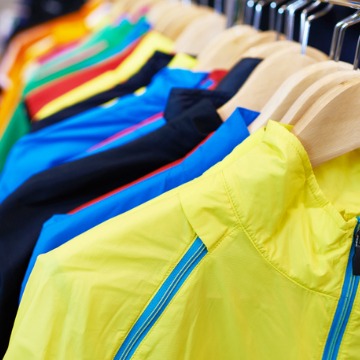
Avoid buying clothes made of synthetic material
Go for clothes made of wool, cotton, linen, silk, cashmere or other natural materials.