European espresso machines
 Euronomy Team
Espresso is one of the few global product categories where Italy still completely dominates. The machine on the counter of almost any serious coffee shop in Prague, Copenhagen or Berlin is overwhelmingly likely to be Italian, and Italian makers cover the whole spectrum from home machines to commercial multi-group setups.
Only two countries offer credible alternatives, and each in a single niche: Switzerland, for super-automatic bean-to-cup machines and hand-built lever machines, and Germany, for prosumer dual-boilers engineered to rival the Italian flagships.
Below: European makers worth knowing, across home prosumer, café professional, lever and super-automatic categories.
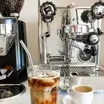
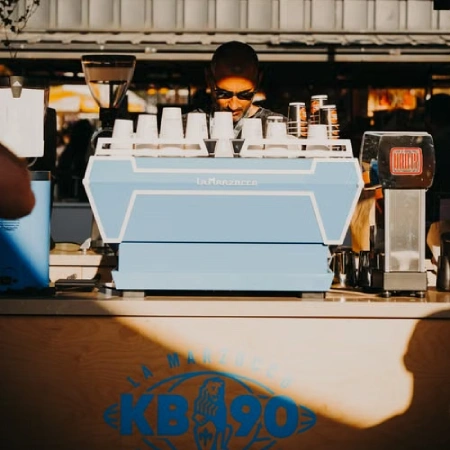
La Marzocco
Known for: The global reference for professional café espresso. The Linea Classic is the most-deployed commercial machine in serious coffee shops worldwide. Also makes the Linea Mini — the benchmark prosumer home machine for enthusiasts with a serious budget. Primarily professional/commercial, with a strong prosumer home following.
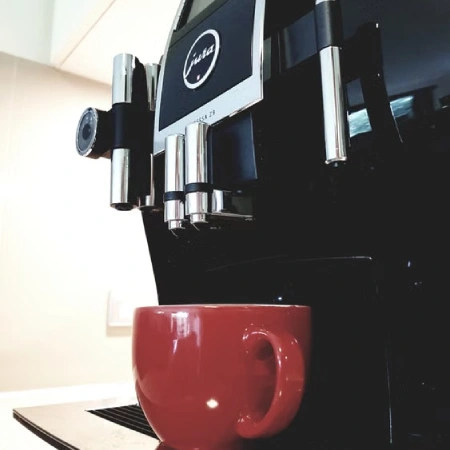
Jura

Known for: The world leader in fully automatic bean-to-cup machines — grind, brew and milk at the press of a button. The most mainstream premium espresso brand in European homes. Consumer and premium consumer; appeals to people who want excellent coffee without manual technique.
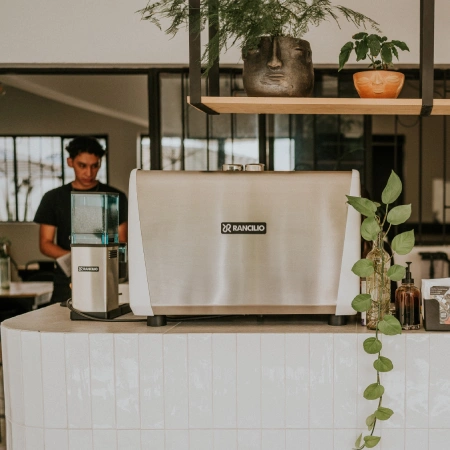
Rancilio
Known for: The Silvia (1997) is the most-recommended entry-level home espresso machine of the past 25 years — durable, repairable and widely modified by enthusiasts. Also a major commercial brand via the Classe series. Spans entry-level consumer through to professional café.
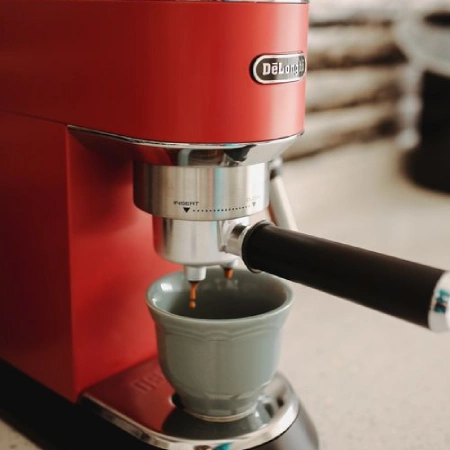
De'Longhi
Known for: The highest-volume home espresso brand in Europe by a wide margin. Covers everything from affordable pod-compatible machines to capable bean-to-cup automatics. Consumer and mass-market — less enthusiast credibility than the others on this list, but the most likely brand in an average European kitchen.
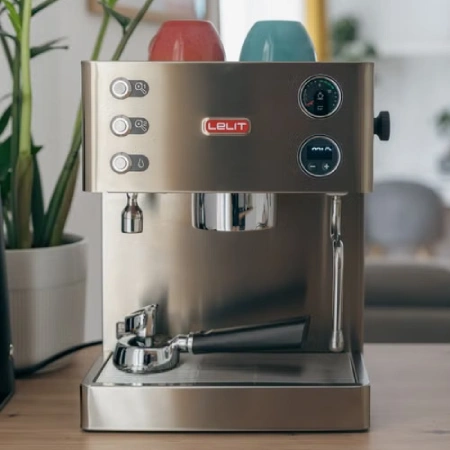
Lelit
Known for: The most-discussed prosumer brand in enthusiast forums right now. The Bianca brought dual-boiler engineering and paddle pre-infusion to a price point well below La Marzocco. Strictly prosumer home — not a commercial brand.
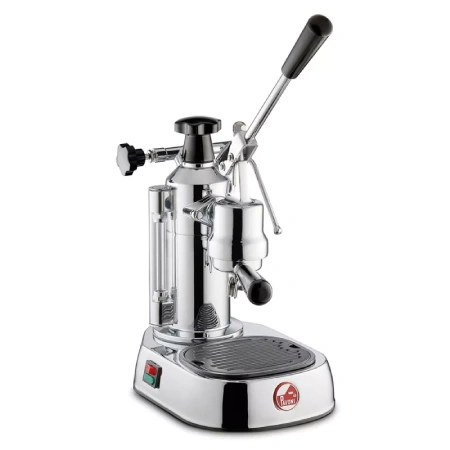
La Pavoni
Known for: The Italian lever-machine icon. The Europiccola (1961) is one of the most photographed espresso machines ever made — all brass, chrome and manual pull. A prosumer and enthusiast product; requires skill and patience but rewards it.
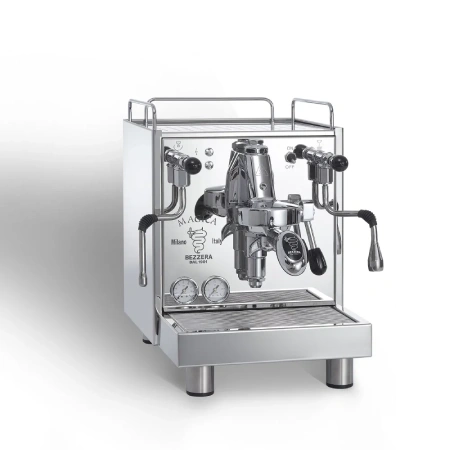
Bezzera
Known for: The company that invented commercial espresso — Luigi Bezzera patented the first espresso machine in 1901. Less famous today than the heritage deserves, but still makes serious prosumer and commercial machines. Prosumer home and professional audience.
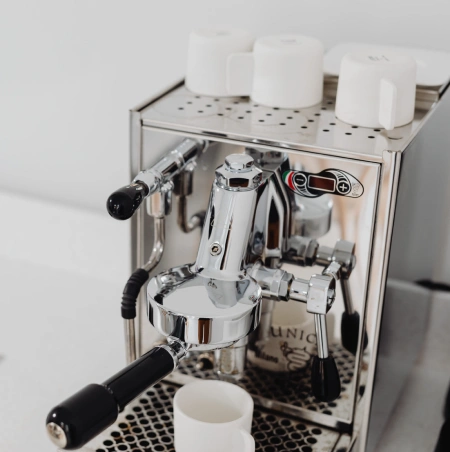
ECM Manufacture

Known for: The strongest non-Italian answer in the prosumer space. The Synchronika competes directly with the Lelit Bianca for best dual-boiler under €4,000. Hand-built in Heidelberg with a distinctly German engineering culture. Strictly prosumer home.
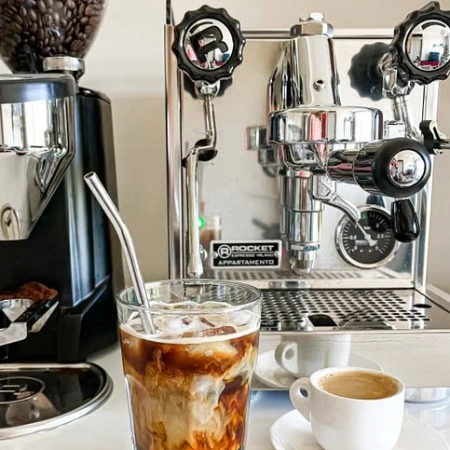
Rocket Espresso
Known for: Premium prosumer home machines with a distinctive industrial design — stainless steel and timber accents that stand out in any kitchen. The Appartamento is the entry point; the R Nine One is commercial-grade engineering for the home. Prosumer home audience.
You might also like
Vote: European chocolate brands
A guide to the most widely available European chocolate brands: who makes them, who owns them, and how they behave.

A Good cup of coffee
A cup of coffee with better conscience.


European Clean Drinking Water Index
Which European countries have the cleanest tap water, and what the EU is doing about the rest